
When comparing feline breeds, few pairings create more confusion than ragdoll and ragamuffin cats. At first glance, these magnificent breeds appear nearly identical with their luxurious semi-longhair coats, gentle expressions, and impressive size. However, despite their striking similarities and shared ancestry, understanding the distinctions between ragdoll and ragamuffin breeds is essential for making an informed adoption decision.
Both breeds rank among the most affectionate and family-friendly cats available, but subtle differences in appearance, personality traits, color options, and breed standards set them apart. Whether you’re a first-time cat owner or an experienced feline enthusiast, this comprehensive comparison will help you understand what makes each breed unique.
If you’re trying to choose between these two gentle giants, this detailed guide explores everything you need to know about ragdoll and ragamuffin cats—from their fascinating origins to their care requirements and personality differences.
The Historical Origins of Ragdoll and Ragamuffin Breeds
Understanding the relationship between ragdoll and ragamuffin cats begins with their intertwined history. These breeds share common ancestry, which explains their numerous similarities while also highlighting their distinct development paths.
The Ragdoll’s California Beginning
The Ragdoll cat was developed in Riverside, California, during the 1960s by breeder Ann Baker. She envisioned creating a docile, affectionate feline with striking blue eyes, a semi-longhair coat, and a uniquely calm temperament. Through careful selective breeding using cats with desired traits, Baker successfully established the Ragdoll breed.
Key Ragdoll development facts:
- Created in the 1960s by Ann Baker
- Bred specifically for temperament and appearance
- Famous for “going limp” when held
- Quickly gained worldwide popularity
The breed’s name comes from its distinctive tendency to relax completely and go limp like a rag doll when picked up—a unique behavioral trait that continues to define Ragdolls today.
The Ragamuffin’s Expanded Vision
The Ragamuffin breed emerged later in the 1990s when several Ragdoll breeders wanted to expand beyond the strict breed standards established for Ragdolls. These breeders sought to introduce more color and pattern variety while maintaining the wonderful temperament that made the original breed so beloved.
Ragamuffin development timeline:
- Developed in the 1990s from Ragdoll foundation
- Outcrossed with Persians, Himalayans, and other longhaired breeds
- Created to allow greater color and pattern diversity
- Established as separate breed with distinct standards
According to The International Cat Association (TICA), the Ragamuffin was recognized as a distinct breed to preserve genetic diversity while expanding the aesthetic possibilities beyond traditional Ragdoll standards. This breeding philosophy created the key differences we see between ragdoll and ragamuffin cats today.
Appearance Differences Between Ragdoll and Ragamuffin
While ragdoll and ragamuffin cats share similar body types and coat textures, several distinctive physical characteristics set them apart. Recognizing these differences helps identify which breed you’re looking at and understand their unique breed standards.
Ragdoll Physical Characteristics
Ragdolls follow strict appearance standards that define the breed’s classic look:
Ragdoll appearance features:
- Coat patterns: Exclusively pointed patterns (colorpoint, mitted, or bicolor)
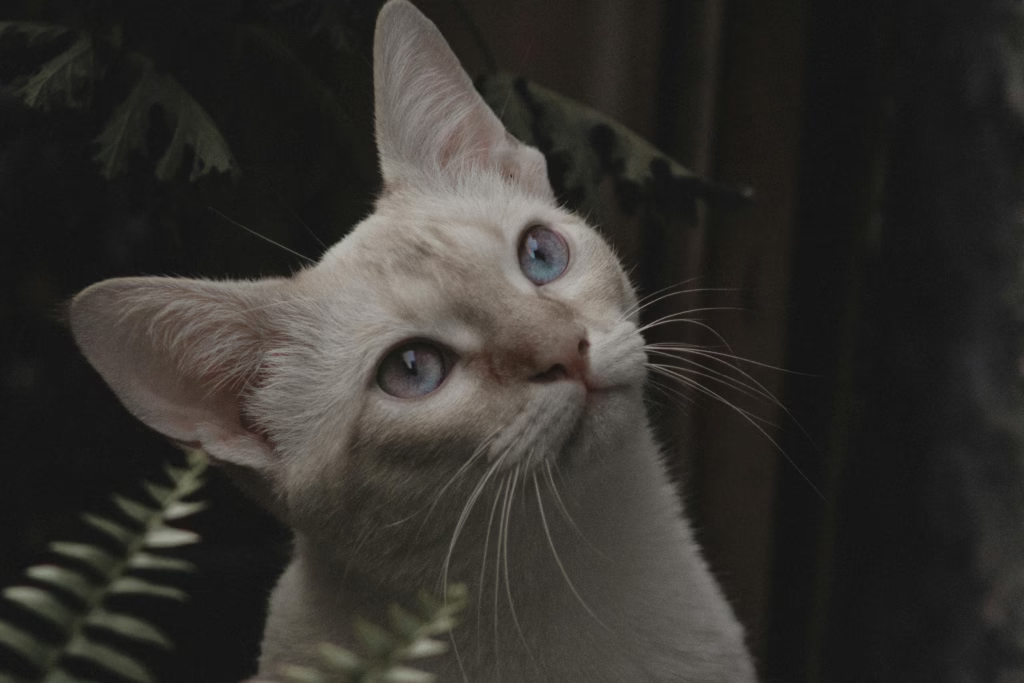
- Eye color: Always blue—this is mandatory for breed standard
- Body structure: Muscular, substantial body with broad chest
- Coat texture: Semi-longhair, silky and plush
- Head shape: Modified wedge shape with flat plane between ears
- Size: Males 15-20 pounds, females 10-15 pounds
The pointed pattern means ragdoll and ragamuffin differences become immediately apparent when you see solid-colored cats, as only Ragamuffins can display non-pointed colors. All Ragdoll cats colors appear exclusively in pointed patterns.
Ragamuffin Physical Characteristics
Ragamuffins have more flexible breed standards that allow greater variety:
Ragamuffin appearance features:
- Coat patterns: Any pattern allowed—solid, tabby, tortoiseshell, calico, pointed
- Eye color: Any color permitted, including blue, green, gold, odd-eyed
- Body structure: Similar substantial body, slightly rounder overall
- Coat texture: Semi-longhair, soft and rabbit-like
- Head shape: Rounded head with full cheeks, walnut-shaped eyes
- Size: Similar to Ragdolls, males 15-20 pounds, females 10-15 pounds
One of the most visible differences between ragdoll and ragamuffin breeds is the Ragamuffin’s softer, rounder facial features compared to the Ragdoll’s more angular wedge-shaped face. The unlimited color and pattern options in Ragamuffins create significantly more visual diversity than seen in Ragdolls.
Color and Pattern Variations
The color options represent one of the most significant distinctions between ragdoll and ragamuffin breeds:
Ragdoll colors:
- Seal, blue, chocolate, lilac, red (flame), cream
- Only in pointed patterns (colorpoint, mitted, bicolor)
- Always with blue eyes
Ragamuffin colors:
- All colors including solid black, white, red, and more
- All patterns including solid, tabby, tortoiseshell, pointed, calico
- Any eye color matching their coat
This expanded palette makes Ragamuffins more visually diverse, while Ragdolls maintain their classic, elegant pointed appearance.
Personality and Temperament Comparison
When evaluating ragdoll and ragamuffin temperaments, both breeds excel as affectionate, gentle companions. However, subtle personality differences may influence which breed better suits your household and lifestyle.
Ragdoll Personality Traits
Ragdolls are renowned worldwide for their exceptionally docile, relaxed temperament:
Ragdoll personality characteristics:
- Famous “ragdoll flop”—goes completely limp when held
- Extremely gentle and calm demeanor
- Dog-like loyalty, follows owners room to room
- Craves attention and physical affection
- Loves being cradled and cuddled
- Generally quiet with soft voices
- Moderately playful but prefers calm activities
Research from The Cat Fanciers’ Association (CFA) indicates Ragdolls consistently rank among the most docile cat breeds. They thrive on human interaction and often seek out laps and arms for extended cuddle sessions. Many owners report their Ragdolls greeting them at the door like dogs.
Ragamuffin Personality Traits
Ragamuffins share the gentle nature but often display slightly more outgoing characteristics:
Ragamuffin personality characteristics:
- Equally affectionate and loving
- Often more playful and energetic than Ragdolls
- More outgoing with strangers and new situations
- Highly adaptable to changes in environment
- Enjoys interactive play sessions
- Sweet-tempered and patient
- Generally more vocal than Ragdolls
Many owners describe Ragamuffins as having a perfect balance between the Ragdoll’s calmness and a more playful, interactive nature. This makes the comparison between ragdoll and ragamuffin personalities somewhat nuanced—both are wonderful, but Ragamuffins may suit more active households.
Family Compatibility
Both ragdoll and ragamuffin breeds excel as family pets with similar strengths:
Shared family-friendly traits:
- Excellent with children of all ages
- Patient and gentle during handling
- Get along well with other cats
- Compatible with cat-friendly dogs
- Rarely aggressive or territorial
- Tolerant of noise and activity
According to behavioral studies, Ragdolls get along exceptionally well with other cats, and Ragamuffins share this sociable nature. Either breed works wonderfully in multi-pet households.
Grooming and Maintenance Requirements
Despite their luxurious coats, grooming needs for ragdoll and ragamuffin cats are surprisingly manageable. Both breeds have coat textures that resist matting better than many longhaired breeds.
Coat Care for Both Breeds
Grooming requirements:
- Brushing 2-3 times weekly prevents tangles
- Minimal matting compared to Persian-type coats
- Seasonal shedding requires increased grooming
- Professional grooming optional but helpful
- Bath occasionally as needed
The coat texture of ragdoll and ragamuffin cats is silky rather than woolly, which naturally resists the severe matting problems seen in some longhaired breeds. Regular brushing maintains their beautiful appearance and reduces shedding throughout your home.
General Care Needs
Standard care for both breeds:
- Regular nail trimming every 2-3 weeks
- Dental hygiene through brushing or dental treats
- Annual veterinary examinations
- Vaccinations and preventive care
- Quality nutrition appropriate for large breeds
Neither ragdoll and ragamuffin breeds require specialized care beyond what any cat needs. Their easygoing temperaments make grooming and handling particularly stress-free.
Health Considerations for Ragdoll and Ragamuffin
Understanding potential health issues helps prospective owners prepare for responsible pet ownership. Both ragdoll and ragamuffin breeds share some health considerations while having slight differences in genetic risks.
Common Health Issues in Ragdolls
Research from Cornell University College of Veterinary Medicine identifies several conditions more prevalent in Ragdolls:
Ragdoll health concerns:
- Hypertrophic cardiomyopathy (HCM)—heart muscle thickening
- Polycystic kidney disease (PKD)
- Bladder stones and urinary issues
- Obesity due to low activity levels
Responsible Ragdoll breeders conduct genetic testing for HCM and PKD before breeding, significantly reducing these risks in kittens. Always request health clearances when purchasing from breeders.
Health Considerations for Ragamuffins
Ragamuffins benefit from their more diverse genetic background:
Ragamuffin health concerns:
- Generally lower incidence of breed-specific diseases
- Still at risk for HCM but less prevalent
- Obesity risk similar to Ragdolls
- Benefits from outcrossing with other breeds
The broader gene pool used in creating Ragamuffins potentially provides some health advantages. However, both ragdoll and ragamuffin cats require responsible breeding practices and regular veterinary care.
Weight Management for Both Breeds
Both breeds’ large size and calm temperaments put them at risk for obesity:
Weight management strategies:
- Portion control using measured feeding
- Regular play sessions for exercise
- Interactive toys to encourage movement
- Monitor weight at veterinary visits
- Avoid free-feeding high-calorie foods
Maintaining healthy weight is crucial for both ragdoll and ragamuffin cats to prevent joint problems, diabetes, and other obesity-related conditions.
Cost and Availability Comparison
When considering ragdoll and ragamuffin acquisition, costs and breeder availability differ somewhat between the breeds:
Ragdoll costs and availability:
- More widely available worldwide
- Established breeder networks
- Typical cost: $800-$2,000 from reputable breeders
- Higher-end show quality: $2,000-$3,500
Ragamuffin costs and availability:
- Less common, fewer breeders
- May require waiting lists or travel
- Typical cost: $900-$2,500
- Similar premium for show quality
The greater popularity of Ragdolls means easier access to breeders and potentially lower costs due to availability. However, choosing between ragdoll and ragamuffin should prioritize finding ethical breeders over cost considerations.
Making Your Choice: Ragdoll or Ragamuffin?
Deciding between ragdoll and ragamuffin breeds depends on your specific preferences and lifestyle factors. Consider these questions to guide your decision:
Choose a Ragdoll if you want:
- Classic pointed coat patterns exclusively
- Mandatory striking blue eyes
- The traditional “ragdoll flop” behavior
- Extremely calm, docile personality
- Widely available from established breeders
- The iconic, recognized Ragdoll appearance
Choose a Ragamuffin if you want:
- Unlimited color and pattern options
- Variety in eye colors
- Slightly more playful, outgoing personality
- Potentially more diverse genetics
- Unique, less common breed
- Similar temperament with more variety
Both ragdoll and ragamuffin cats make exceptional family companions. Neither choice is inherently better—the decision comes down to personal aesthetic preferences and whether you prioritize the traditional Ragdoll look or prefer the Ragamuffin’s greater diversity.
Finding Reputable Breeders
Regardless of which breed you choose between ragdoll and ragamuffin cats, finding ethical, responsible breeders is essential:
Red flags to avoid:
- No health testing documentation
- Won’t allow home visits
- Multiple litters available constantly
- Kittens available before 12 weeks old
- No contract or health guarantee
Signs of responsible breeders:
- Conduct genetic health testing
- Provide health guarantees
- Raise kittens in home environment
- Interview potential buyers carefully
- Register with recognized cat associations
- Provide ongoing support after purchase
Quality breeders of both ragdoll and ragamuffin cats prioritize health and temperament over profits, ensuring you receive a healthy, well-socialized kitten.
Living with Your Ragdoll or Ragamuffin
Both ragdoll and ragamuffin cats adapt beautifully to various living situations:
Ideal environments:
- Indoor-only living for safety
- Homes with adequate space for large cats
- Families with children who handle cats gently
- Multi-pet households with proper introductions
- Owners home frequently for companionship
Neither breed tolerates being alone for extended periods. Both ragdoll and ragamuffin cats are highly people-oriented and may develop separation anxiety if left alone too much. Consider your schedule and lifestyle when deciding on these social breeds.
Conclusion
The comparison between ragdoll and ragamuffin cats reveals two exceptional breeds with more similarities than differences. Both offer the gentle, affectionate temperament that makes them ideal family companions. Both feature stunning semi-longhair coats, impressive size, and remarkably calm dispositions.
The primary distinctions lie in appearance standards—Ragdolls maintain strict pointed patterns with mandatory blue eyes, while Ragamuffins embrace unlimited colors and patterns with any eye color. Personality-wise, Ragdolls trend slightly more docile while Ragamuffins may be somewhat more playful and outgoing.
Ultimately, you cannot make a wrong choice between ragdoll and ragamuffin breeds. Both will reward you with years of devoted companionship, gentle affection, and the special joy that comes from sharing your life with one of these magnificent cats. Choose based on your aesthetic preferences and which breed’s subtle personality differences align best with your lifestyle.
Whether you select the classic elegance of the Ragdoll or the colorful versatility of the Ragamuffin, you’ll gain a loyal, loving friend who becomes an irreplaceable member of your family.
Image Alt Text Suggestions for SEO:
- “Ragdoll cat with blue eyes and colorpoint pattern next to Ragamuffin cat”
- “Ragdoll and Ragamuffin cats side by side showing size comparison”
- “Ragdoll cat showing pointed pattern with blue eyes”
- “Ragamuffin cat displaying solid color pattern with green eyes”
- “Ragdoll and Ragamuffin kittens playing together”
- “Adult Ragdoll cat being held showing ragdoll flop behavior”
- “Ragamuffin cat with rounded face and full cheeks”
- “Comparison chart showing Ragdoll and Ragamuffin differences”